
Hepatitis C
Hepatitis C
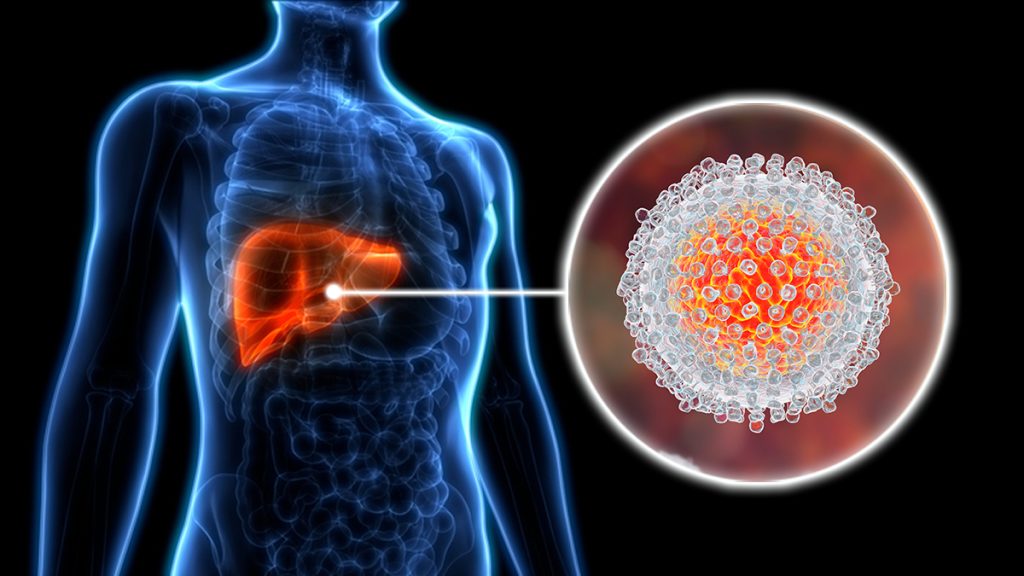
Hepatitis C is a viral infection caused by the hepatitis C virus (HCV) that primarily affects the liver. It can lead to both acute and chronic liver disease. Many individuals may not experience symptoms in the early stages, making it a “silent infection.”
If left untreated, Hepatitis C can progress to serious conditions such as liver cirrhosis, liver failure, or liver cancer. However, with modern antiviral treatments, it is now highly curable in most cases.
How is Hepatitis C Transmitted?
Hepatitis C spreads mainly through contact with infected blood:
- Sharing needles or syringes
- Unsafe blood transfusions (rare with modern screening)
- Unsterilized medical or cosmetic equipment
- From mother to baby (less common)
Symptoms
Many people remain asymptomatic for years. When symptoms appear:
- Fatigue
- Loss of appetite
- Nausea
- Abdominal discomfort
- Jaundice (yellowing of skin and eyes)
- Dark urine
Diagnosis
- Blood tests (Anti-HCV, HCV RNA)
- Liver function tests
- Ultrasound or FibroScan
- Liver biopsy (in selected cases)
Treatment
Hepatitis C is now highly treatable with modern medications.
- Direct-acting antiviral (DAA) medications
- Treatment duration typically 8–12 weeks
- High cure rates with proper adherence
- Regular monitoring during and after treatment
Complications
If untreated, Hepatitis C can lead to:
- Liver cirrhosis
- Liver failure
- Increased risk of liver cancer
Prevention
- Avoid sharing needles or personal items
- Ensure safe medical and cosmetic procedures
- Screen blood before transfusion
- Practice proper hygiene
👉 Currently, there is no vaccine for Hepatitis C, so prevention is essential.