
GI Cancer Surgery
GI Cancer Surgery
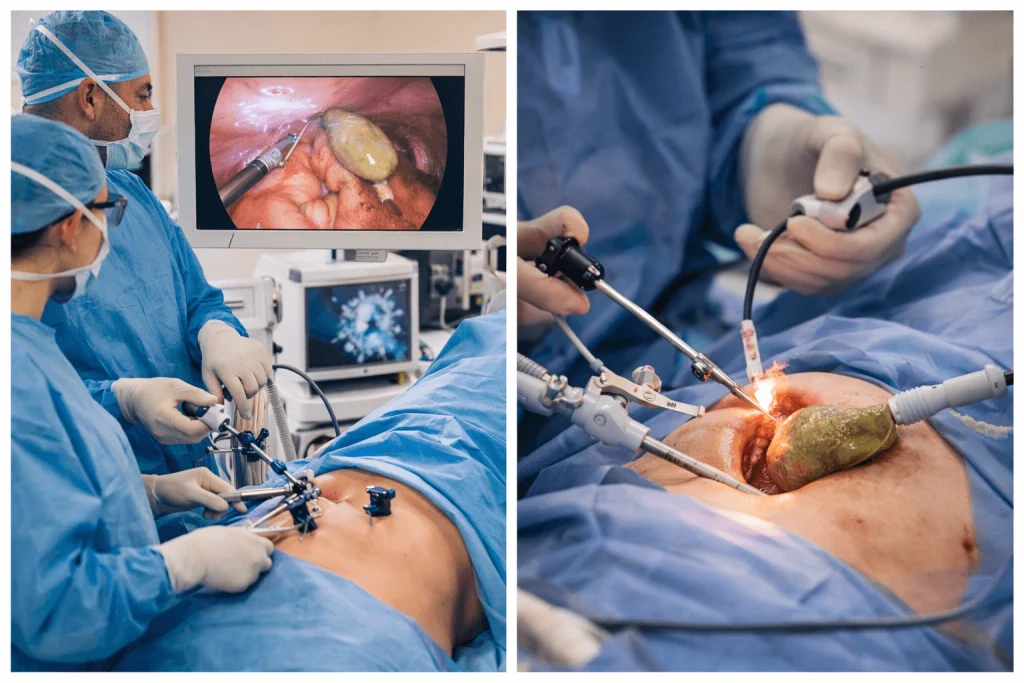
Introduction
Gastrointestinal (GI) cancers affect the digestive system, including the esophagus, stomach, liver, pancreas, colon, and rectum. These cancers require timely diagnosis and specialized surgical treatment for the best outcomes.
GI cancer surgery focuses on removing cancerous tissues while preserving as much normal function as possible. With modern techniques, patients can benefit from safer procedures, faster recovery, and improved survival rates.
Types of GI Cancers We Treat
- Esophageal Cancer
- Stomach (Gastric) Cancer
- Liver Cancer
- Pancreatic Cancer
- Colorectal (Colon & Rectum) Cancer
- Gallbladder Cancer
Surgical Treatment Options
1. Minimally Invasive Surgery
Advanced laparoscopic and robotic techniques with smaller incisions, less pain, and faster recovery.
2. Open Surgery
Recommended in complex or advanced cases for complete tumor removal.
3. Tumor Resection
Removal of the cancer-affected portion of the organ.
4. Reconstructive Surgery
Restoring digestive tract continuity after tumor removal.
Advanced Techniques
- Laparoscopic (Keyhole) Surgery
- Robotic-Assisted Surgery
- Organ-Preserving Procedures
- Multidisciplinary Cancer Care Approach
Recovery & Post-Surgery Care
Proper post-operative care is essential for recovery and long-term success.
Key Aspects:
- Hospital stay depending on surgery type
- Pain management and wound care
- Nutritional support and diet planning
- Follow-up visits and monitoring
Risks & Complications
- Infection
- Bleeding
- Leakage (in intestinal surgeries)
- Delayed recovery
👉 With expert surgical care, risks are minimized and outcomes are improved.
Benefits of GI Cancer Surgery
- Effective removal of cancer
- Improved survival rates
- Relief from symptoms
- Better quality of life
Why Choose Us?
- Experienced GI and cancer surgeons
- State-of-the-art surgical technology
- Personalized treatment plans
- Comprehensive pre & post-operative care