
Liver Cirrhosis
Liver Cirrhosis
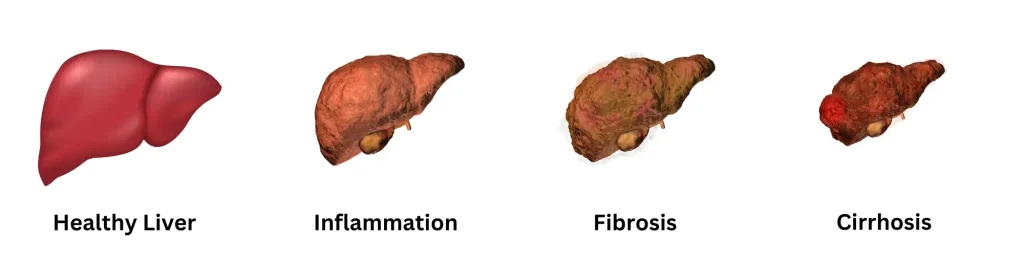
Liver cirrhosis is a serious condition in which healthy liver tissue is gradually replaced by scar tissue, leading to loss of normal liver function. It usually develops over time due to long-term liver damage.
Early diagnosis and proper management can help slow disease progression and improve quality of life.
Causes of Liver Cirrhosis
Common causes include:
- Chronic alcohol consumption
- Non-alcoholic fatty liver disease (NAFLD)
- Hepatitis B and Hepatitis C infections
- Long-term liver inflammation
- Genetic and metabolic disorders
Symptoms
In early stages, cirrhosis may not show symptoms. As the condition progresses:
- Fatigue and weakness
- Loss of appetite
- Nausea
- Swelling in legs and abdomen (ascites)
- Jaundice (yellowing of skin and eyes)
- Easy bruising or bleeding
Diagnosis
Doctors may recommend:
- Blood tests (liver function tests)
- Ultrasound or CT scan
- FibroScan
- Liver biopsy (in selected cases)
Treatment Options
While cirrhosis damage is often irreversible, treatment focuses on slowing progression and managing complications.
- Lifestyle changes (diet, alcohol avoidance)
- Medications for underlying causes
- Management of complications
- Regular monitoring
- Liver transplant in advanced cases
Complications
- Portal hypertension
- Ascites (fluid accumulation)
- Liver failure
- Increased risk of liver cancer
Prevention
- Avoid excessive alcohol consumption
- Maintain healthy weight
- Get vaccinated for hepatitis
- Regular health checkups
- Follow a balanced diet
Why Choose Us?
- Expertise in liver disease management
- Advanced diagnostic facilities
- Personalized treatment plans
- Comprehensive care approach