
Hepatitis B
Hepatitis B
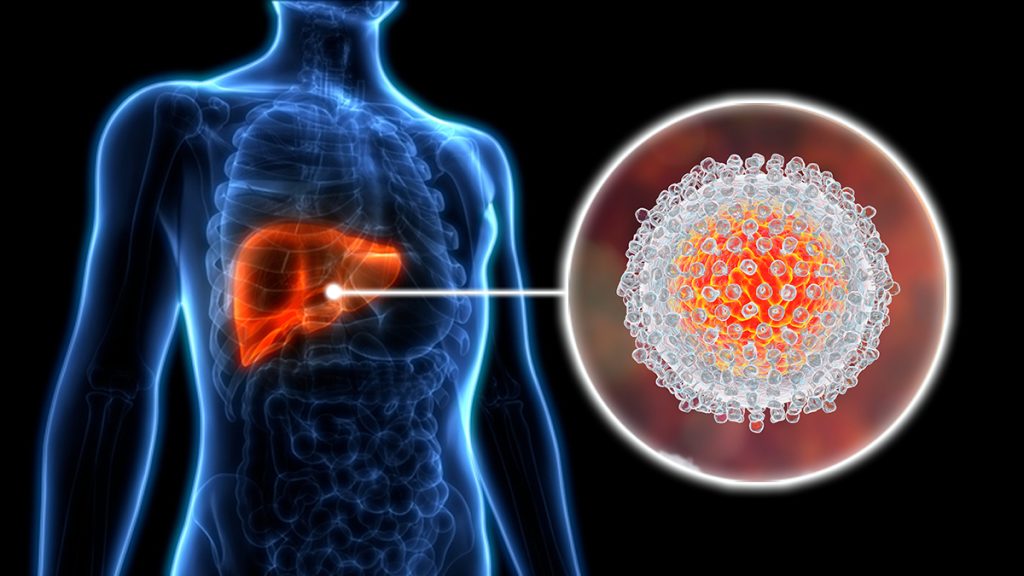
Hepatitis B is a viral infection that affects the liver and can lead to both acute and chronic disease. It is caused by the hepatitis B virus (HBV) and spreads through contact with infected blood or body fluids.
If left untreated, chronic Hepatitis B can result in serious complications such as liver cirrhosis, liver failure, or liver cancer. Early detection and proper management are essential for long-term health.
How is Hepatitis B Transmitted?
Hepatitis B spreads through:
- Contact with infected blood
- Unprotected sexual contact
- Sharing needles or syringes
- From mother to baby during childbirth
- Unsafe medical or dental procedures
Symptoms
Some people may not show symptoms, especially in early stages. When symptoms occur:
- Fatigue and weakness
- Loss of appetite
- Nausea and vomiting
- Abdominal pain
- Jaundice (yellowing of skin and eyes)
- Dark urine
Diagnosis
- Blood tests (HBsAg, HBV DNA)
- Liver function tests
- Ultrasound or FibroScan
- Liver biopsy (in selected cases)
Treatment
Acute Hepatitis B
Often managed with supportive care and monitoring.
Chronic Hepatitis B
- Antiviral medications
- Regular monitoring of liver function
- Lifestyle modifications
- In advanced cases, liver transplant may be required
Prevention
- Hepatitis B vaccination (highly effective)
- Safe sex practices
- Avoid sharing needles or personal items
- Screen blood before transfusion
- Proper medical hygiene
Complications
- Chronic liver disease
- Liver cirrhosis
- Liver failure
- Increased risk of liver cancer