
Liver Failure
Liver Failure
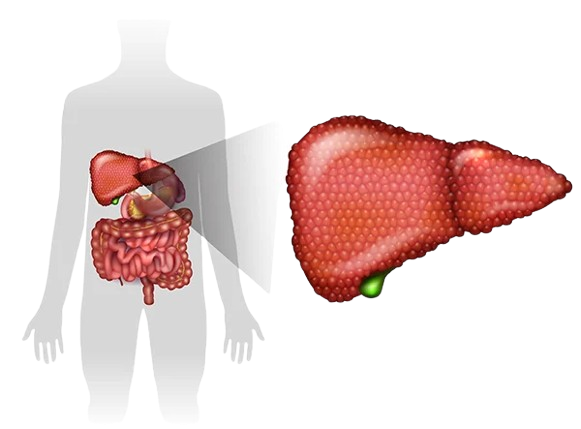
Liver failure is a serious medical condition in which the liver loses its ability to perform essential functions such as detoxification, protein production, and digestion. It can occur suddenly (acute liver failure) or develop gradually over time (chronic liver failure).
Early diagnosis and timely treatment are critical to prevent life-threatening complications.
Types of Liver Failure
Acute Liver Failure
Occurs rapidly, often within days or weeks, in a previously healthy liver.
Chronic Liver Failure
Develops slowly over months or years, usually due to long-term liver damage such as cirrhosis.
Causes
- Viral hepatitis (Hepatitis B, C)
- Alcohol-related liver disease
- Non-alcoholic fatty liver disease (NAFLD)
- Drug toxicity or overdose
- Autoimmune liver diseases
- Genetic disorders
Symptoms
Symptoms may vary depending on severity:
- Jaundice (yellowing of skin and eyes)
- Fatigue and weakness
- Swelling in abdomen (ascites)
- Confusion or altered mental state (hepatic encephalopathy)
- Nausea and vomiting
- Easy bruising or bleeding
Diagnosis
- Blood tests (liver function tests, clotting profile)
- Ultrasound, CT scan, or MRI
- Viral hepatitis screening
- Liver biopsy (in selected cases)
Treatment
Treatment depends on the cause and severity:
Medical Management
- Treat underlying cause (infection, toxins)
- Medications to manage symptoms and complications
- Intensive care support in acute cases
Advanced Treatment
- Liver transplant in severe or irreversible cases
Complications
- Hepatic encephalopathy
- Internal bleeding
- Kidney failure
- Severe infections
Prevention
- Avoid excessive alcohol consumption
- Vaccination for hepatitis
- Safe medication use
- Healthy lifestyle and diet
- Regular medical checkups