
Biliary Surgery
Biliary Surgery
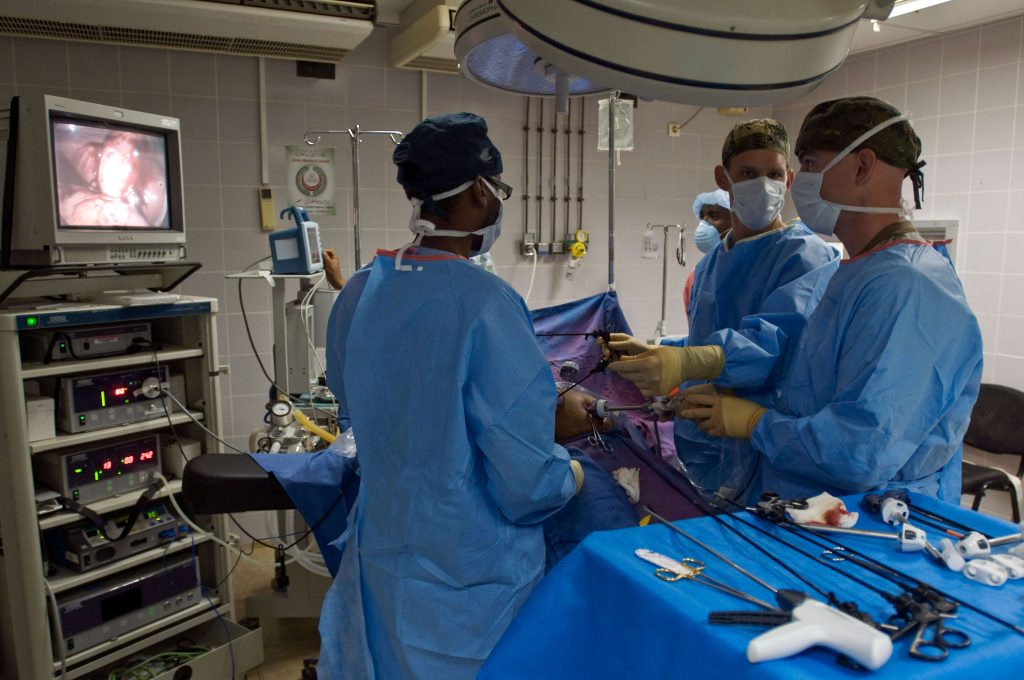
Biliary surgery focuses on the treatment of diseases affecting the bile ducts and gallbladder, which are essential for digestion and bile flow. Conditions in this system can lead to pain, infection, jaundice, and serious complications if not treated on time.
With modern surgical advancements, biliary procedures are now safer, minimally invasive, and offer faster recovery with improved outcomes.
Conditions Treated
- Gallstones (Cholelithiasis)
- Bile duct stones (Choledocholithiasis)
- Bile duct obstruction or strictures
- Gallbladder inflammation (Cholecystitis)
- Bile duct injuries
- Biliary cancers (in selected cases)
Common Procedures
1. Cholecystectomy
Removal of the gallbladder, most commonly performed for gallstones.
2. Bile Duct Exploration
Removal of stones from the bile duct.
3. Biliary Bypass Surgery
Creating an alternate pathway for bile flow in case of blockage.
4. Stricture Repair
Correction of narrowed bile ducts to restore normal flow.
Surgical Approaches
- Laparoscopic Surgery – Minimally invasive, faster recovery
- Robotic-Assisted Surgery – High precision and control
- Open Surgery – Used in complex or advanced cases
Benefits of Biliary Surgery
- Relief from pain and discomfort
- Restoration of normal bile flow
- Prevention of complications like infection and jaundice
- Minimally invasive options for quicker healing
- Improved digestive function
Recovery & Aftercare
Key Points:
- Short hospital stay (often 1–3 days for laparoscopic cases)
- Quick return to normal activities
- Dietary guidance post-surgery
- Follow-up visits for monitoring
Risks & Complications
- Infection
- Bleeding
- Bile leakage
- Injury to nearby structures
👉 Expert surgical care significantly reduces these risks.
Why Choose Us?
- Experienced hepatobiliary surgeons
- Advanced laparoscopic and robotic techniques
- Comprehensive patient care
- Personalized treatment plans