
Pancreatic Tumors
Pancreatic Tumors
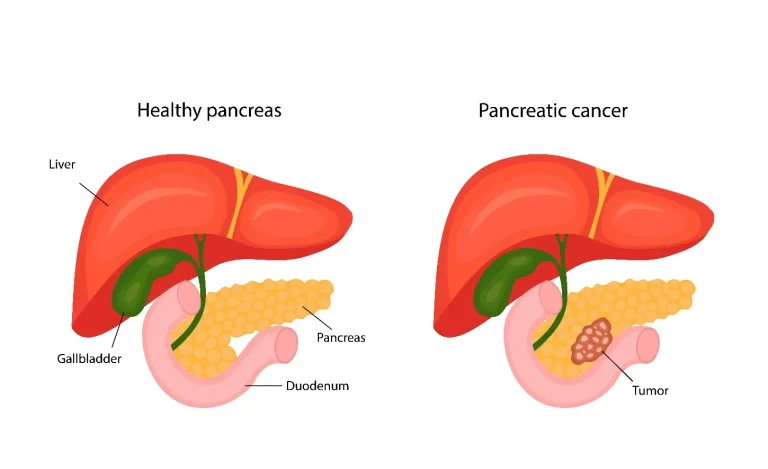
Pancreatic tumors are abnormal growths in the pancreas, which can be benign (non-cancerous) or malignant (cancerous). The pancreas plays a vital role in digestion and blood sugar regulation, so any tumor in this organ requires careful evaluation and timely treatment.
Early diagnosis is often challenging, but advanced medical care can significantly improve outcomes.
Types of Pancreatic Tumors
Benign Tumors
Non-cancerous growths that usually grow slowly and may not spread.
Malignant Tumors (Pancreatic Cancer)
Cancerous tumors that can grow rapidly and spread to other parts of the body.
Neuroendocrine Tumors
Rare tumors arising from hormone-producing cells of the pancreas.
Causes & Risk Factors
- Smoking
- Chronic pancreatitis
- Diabetes
- Obesity
- Family history of pancreatic cancer
- Genetic mutations
Symptoms
Pancreatic tumors may not show early symptoms. As they progress:
- Abdominal or back pain
- Unexplained weight loss
- Loss of appetite
- Jaundice (yellowing of skin and eyes)
- Digestive problems
- New-onset diabetes
Diagnosis
- Blood tests (including tumor markers)
- Ultrasound and CT scan
- MRI or PET scan
- Endoscopic ultrasound (EUS)
- Biopsy for confirmation
Treatment Options
Treatment depends on the type and stage of the tumor.
Surgical Treatment
- Tumor removal surgery (e.g., Whipple procedure)
- Distal pancreatectomy
Non-Surgical Treatment
- Chemotherapy
- Radiation therapy
- Targeted therapy (in selected cases)
Complications
- Spread of cancer (metastasis)
- Digestive problems
- Diabetes
- Bile duct obstruction
Prevention
- Avoid smoking
- Maintain healthy weight
- Manage diabetes
- Regular health checkups
- Early screening in high-risk individuals