
Hepatobiliary Surgery
Hepatobiliary Surgery
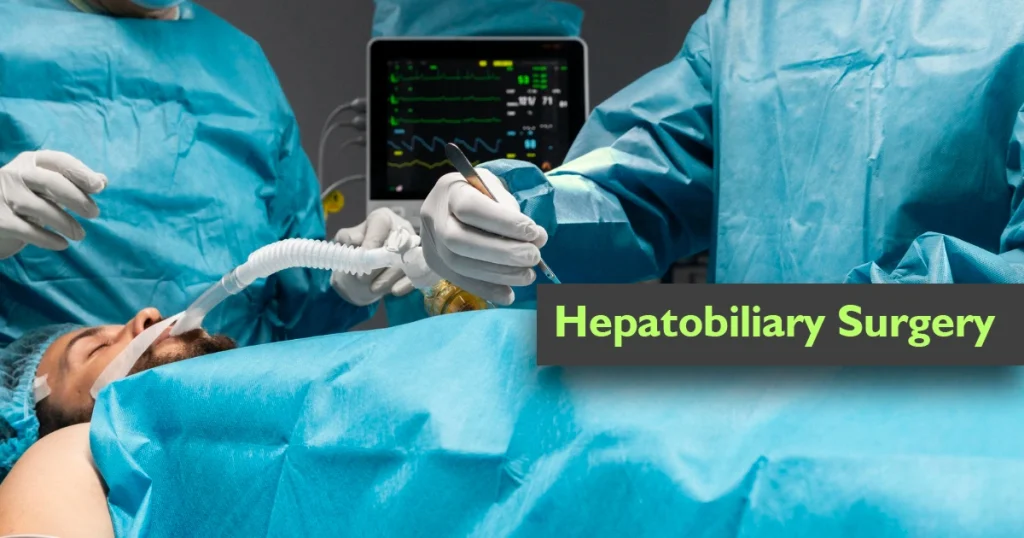
Hepatobiliary surgery focuses on the diagnosis and surgical treatment of diseases affecting the liver, gallbladder, bile ducts, and pancreas. These organs play a vital role in digestion and metabolism, and disorders can significantly impact overall health.
With advancements in surgical techniques, hepatobiliary procedures are now safer, more precise, and offer faster recovery.
Conditions Treated
- Gallstones and gallbladder diseases
- Liver tumors (benign & malignant)
- Bile duct obstruction
- Pancreatic disorders
- Liver cysts and abscesses
- Jaundice-related conditions
Common Procedures
1. Cholecystectomy
Surgical removal of the gallbladder (commonly for gallstones).
2. Liver Resection
Removal of diseased liver tissue.
3. Bile Duct Surgery
Treatment of blockages or strictures in bile ducts.
4. Pancreatic Surgery
Procedures for tumors or chronic pancreatic conditions.
Surgical Approaches
- Laparoscopic (Minimally Invasive) Surgery
- Robotic-Assisted Surgery
- Open Surgery for Complex Cases
👉 The approach is selected based on the patient’s condition and complexity.
Benefits of Hepatobiliary Surgery
- Effective disease management
- Relief from pain and symptoms
- Improved liver and digestive function
- Minimally invasive options for quicker recovery
- Enhanced quality of life
Recovery & Aftercare
Key Points:
- Hospital stay varies by procedure
- Post-operative monitoring
- Dietary modifications
- Regular follow-ups
Risks & Complications
- Infection
- Bleeding
- Bile leakage
- Delayed recovery
👉 Expert surgical care significantly reduces these risks.
Why Choose Us?
- Experienced hepatobiliary specialists
- Advanced surgical technology
- Multidisciplinary care approach
- Personalized treatment plans