
Bile Duct Cancer
Bile Duct Cancer
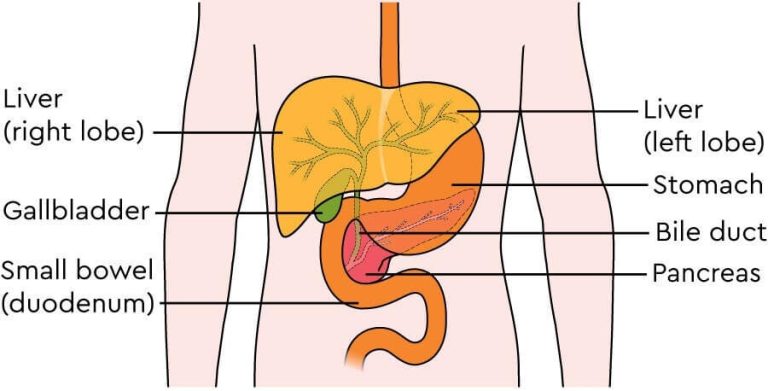
Bile duct cancer, also known as cholangiocarcinoma, is a rare but serious cancer that develops in the bile ducts, which carry bile from the liver to the intestine. This condition can interfere with bile flow and lead to jaundice and other complications.
Early detection and specialized treatment are essential to improve outcomes and quality of life.
Types of Bile Duct Cancer
Intrahepatic
Occurs within the bile ducts inside the liver.
Perihilar (Hilar)
Occurs at the junction where bile ducts exit the liver (most common type).
Distal
Occurs closer to the small intestine.
Causes & Risk Factors
- Chronic bile duct inflammation
- Primary sclerosing cholangitis (PSC)
- Liver diseases and cirrhosis
- Bile duct abnormalities
- Parasitic infections (rare)
- Smoking and lifestyle factors
Symptoms
Symptoms often appear in later stages:
- Jaundice (yellowing of skin and eyes)
- Dark urine and pale stools
- Itching (pruritus)
- Abdominal pain
- Unexplained weight loss
- Fatigue
Diagnosis
- Blood tests (including liver function tests)
- Ultrasound and CT scan
- MRI / MRCP
- Endoscopic procedures (ERCP)
- Biopsy for confirmation
Treatment Options
Treatment depends on stage and location of cancer:
Surgical Treatment
- Tumor resection
- Liver resection (in selected cases)
- Bile duct reconstruction
Non-Surgical Treatment
- Chemotherapy
- Radiation therapy
- Palliative procedures to relieve blockage (stenting)
Complications
- Bile duct obstruction
- Liver failure
- Spread of cancer (metastasis)
- Severe infections