
Understanding the conditions that require transplant surgery.
When is Liver Transplant Needed
When is Liver Transplant Needed
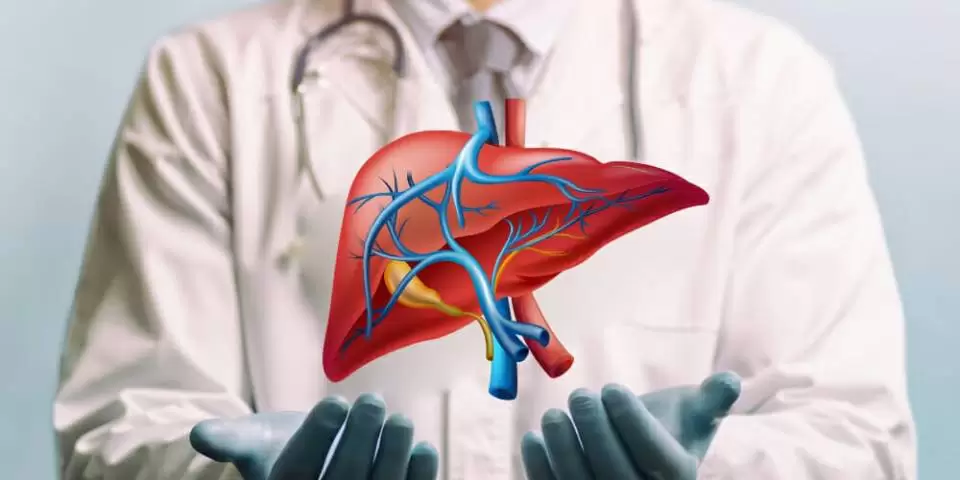
Understanding the Conditions That Require Transplant Surgery A liver transplant is a life-saving procedure recommended when the liver is no longer able to function properly. It is usually considered in advanced stages of liver disease where other treatments are no longer effective. Understanding when a liver transplant is needed can help patients take timely action and improve survival chances.
What is a Liver Transplant?
A liver transplant is a surgical procedure in which a diseased liver is replaced with a healthy liver from a donor. The donor can be either deceased or living (partial liver donation). The liver has the unique ability to regenerate, making transplant possible even with partial donation.
When is Liver Transplant Needed?
A liver transplant is recommended in the following conditions:
1. Liver Failure (Acute or Chronic)
- Acute Liver Failure – Sudden loss of liver function due to infections, toxins, or drug overdose
- Chronic Liver Failure – Gradual damage over time, often due to long-term disease
2. Cirrhosis (End-Stage Liver Disease)
Cirrhosis is one of the most common reasons for liver transplantation. It occurs when healthy liver tissue is replaced by scar tissue, affecting liver function.
Common causes include:
- Chronic hepatitis B or C
- Alcohol-related liver disease
- Non-alcoholic fatty liver disease (NAFLD)
3. Liver Cancer
In certain cases, patients with liver cancer (especially early-stage) may be eligible for a transplant if the tumor is confined to the liver.
4. Genetic or Metabolic Disorders
Some inherited conditions affect liver function and may require transplantation, such as:
- Wilson’s disease
- Hemochromatosis
5. Severe Liver Damage with Symptoms
A transplant may be needed if a patient experiences:
- Persistent jaundice (yellowing of skin and eyes)
- Fluid accumulation in abdomen (ascites)
- Frequent infections
- Internal bleeding
- Confusion (hepatic encephalopathy)
Signs That Indicate Urgency
Seek immediate medical attention if you notice:
- Sudden worsening of symptoms
- Severe fatigue or weakness
- Swelling in legs or abdomen
- Mental confusion
Early evaluation increases the chances of successful treatment.
Evaluation for Liver Transplant
Before a transplant, doctors perform several tests to assess eligibility:
- Blood tests and liver function tests
- Imaging (CT scan, MRI)
- Overall health evaluation
- Psychological assessment
Patients are then placed on a transplant waiting list based on severity.
Life After Liver Transplant
Post-transplant care is crucial for long-term success:
- Lifelong medications to prevent organ rejection
- Regular follow-ups with doctors
- Healthy lifestyle and balanced diet
- Avoid alcohol and harmful substances
Most patients can return to a normal and healthy life after recovery.
Conclusion
A liver transplant becomes necessary when the liver fails to perform its essential functions and other treatments no longer work. Conditions like cirrhosis, liver failure, and certain cancers are common reasons. Early diagnosis and timely medical care play a vital role in improving outcomes.
If you or your loved ones experience symptoms of severe liver disease, consult a specialist immediately to explore treatment options, including liver transplantation.