Liver Transplant Surgery
Advanced surgical solutions for patients with end-stage liver disease, providing life-saving treatment through living donor and deceased donor liver transplantation.


Advanced surgical solutions for patients with end-stage liver disease, providing life-saving treatment through living donor and deceased donor liver transplantation.
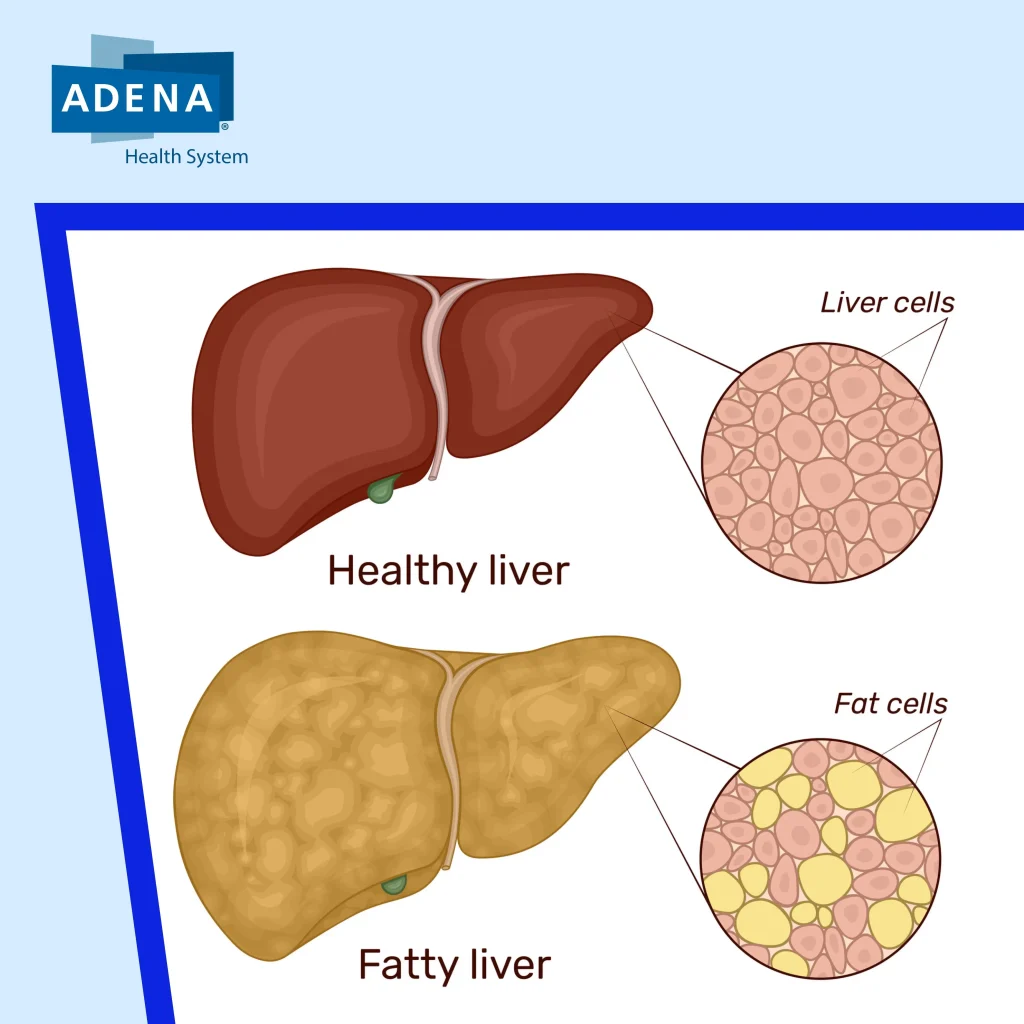
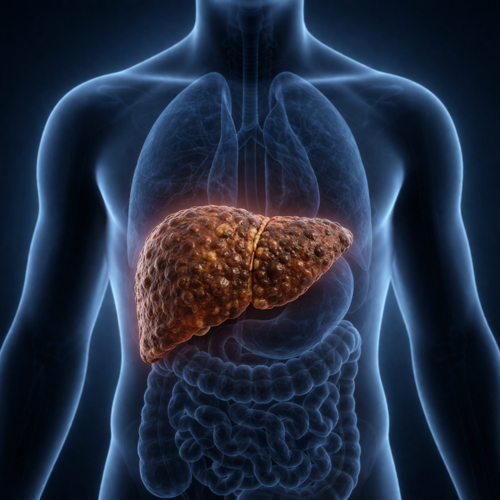
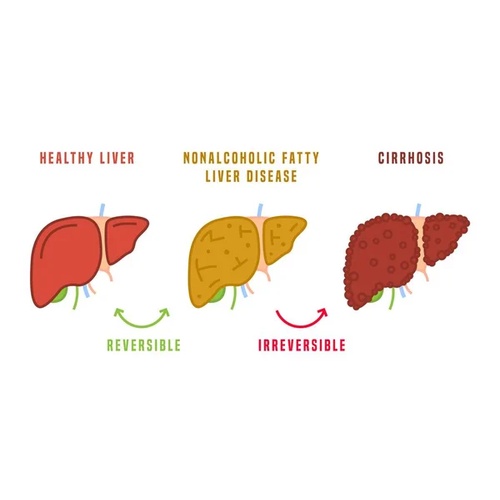
Lifestyle and medical approaches to manage fatty liver disease. Home Lifestyle and Medical Approaches to Manage Fatty Liver Disease Fatty liver disease is becoming increasingly common due to modern lifestyles, unhealthy eating habits, and lack of physical activity. While it may not always show symptoms in the early stages, ignoring it can lead to serious liver complications. The good news is that fatty liver disease is often reversible with the right treatment and lifestyle changes. What is Fatty Liver Disease? Fatty liver disease occurs when excess fat builds up in the liver. There are two main types: Non-Alcoholic Fatty Liver Disease (NAFLD) – caused by poor diet, obesity, or metabolic issues Alcoholic Fatty Liver Disease (AFLD) – caused by excessive alcohol consumption If left untreated, it can progress to inflammation, liver damage, or even cirrhosis. Common Symptoms In many cases, fatty liver disease does not show clear symptoms. However, some people may experience: Fatigue Abdominal discomfort (upper right side) Unexplained weight gain Weakness Early detection through regular health checkups is very important. Lifestyle Changes for Fatty Liver Treatment 1. Healthy Diet A balanced diet plays a key role in reversing fatty liver. Eat more fruits, vegetables, and whole grains Include lean proteins like fish and legumes Avoid fried, processed, and sugary foods Reduce intake of refined carbohydrates 2. Regular Exercise Physical activity helps reduce liver fat and improve metabolism. Aim for at least 30 minutes of exercise daily Include walking, jogging, cycling, or yoga Strength training can also be beneficial 3. Weight Management Losing even 5–10% of body weight can significantly improve liver health. Medical Treatment Options While lifestyle changes are the primary treatment, doctors may recommend medications depending on the severity: Medicines to control cholesterol Diabetes management drugs Vitamin E (in some cases) Always consult a healthcare professional before starting any medication. Foods to Include Green leafy vegetables Nuts and seeds Olive oil Green tea Garlic Foods to Avoid Fried foods Sugary drinks Processed snacks Alcohol Excess salt Prevention Tips Maintain a healthy weight Avoid excessive alcohol Stay physically active Get regular liver function tests Conclusion Fatty liver disease is a silent but manageable condition. With the right combination of a healthy lifestyle, balanced diet, and medical guidance, you can effectively reverse its effects and protect your liver health. If you suspect symptoms or have risk factors, consult a qualified doctor for early diagnosis and proper treatment.
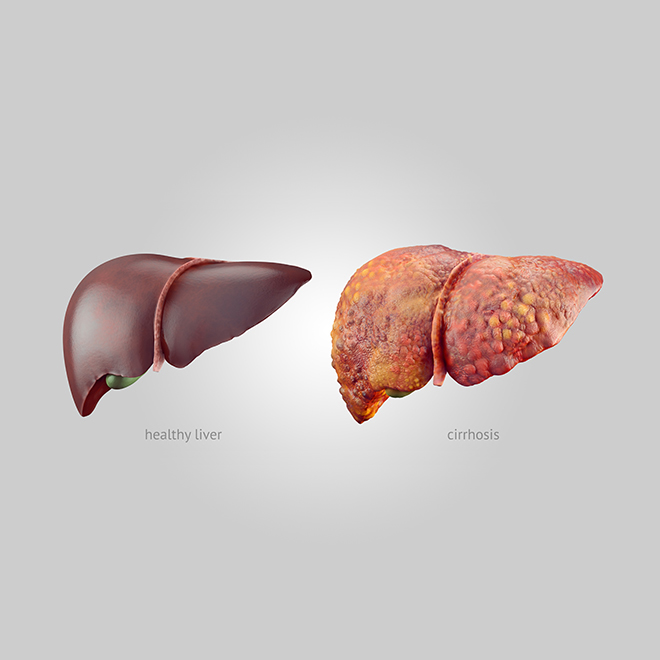
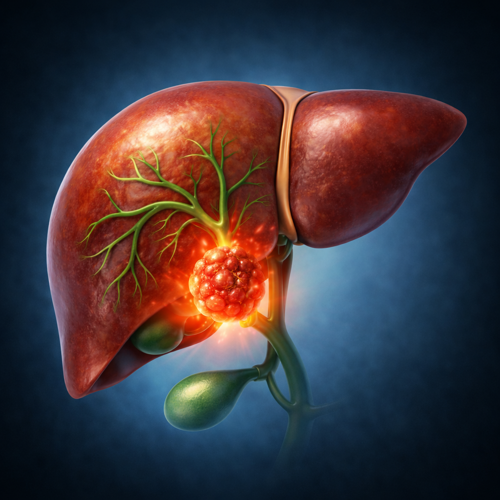
Understanding the conditions that require transplant surgery. Home Understanding the Conditions That Require Transplant Surgery A liver transplant is a life-saving procedure recommended when the liver is no longer able to function properly. It is usually considered in advanced stages of liver disease where other treatments are no longer effective. Understanding when a liver transplant is needed can help patients take timely action and improve survival chances. What is a Liver Transplant? A liver transplant is a surgical procedure in which a diseased liver is replaced with a healthy liver from a donor. The donor can be either deceased or living (partial liver donation). The liver has the unique ability to regenerate, making transplant possible even with partial donation. When is Liver Transplant Needed? A liver transplant is recommended in the following conditions: 1. Liver Failure (Acute or Chronic) Acute Liver Failure – Sudden loss of liver function due to infections, toxins, or drug overdose Chronic Liver Failure – Gradual damage over time, often due to long-term disease 2. Cirrhosis (End-Stage Liver Disease) Cirrhosis is one of the most common reasons for liver transplantation. It occurs when healthy liver tissue is replaced by scar tissue, affecting liver function. Common causes include: Chronic hepatitis B or C Alcohol-related liver disease Non-alcoholic fatty liver disease (NAFLD) 3. Liver Cancer In certain cases, patients with liver cancer (especially early-stage) may be eligible for a transplant if the tumor is confined to the liver. 4. Genetic or Metabolic Disorders Some inherited conditions affect liver function and may require transplantation, such as: Wilson’s disease Hemochromatosis 5. Severe Liver Damage with Symptoms A transplant may be needed if a patient experiences: Persistent jaundice (yellowing of skin and eyes) Fluid accumulation in abdomen (ascites) Frequent infections Internal bleeding Confusion (hepatic encephalopathy) Signs That Indicate Urgency Seek immediate medical attention if you notice: Sudden worsening of symptoms Severe fatigue or weakness Swelling in legs or abdomen Mental confusion Early evaluation increases the chances of successful treatment. Evaluation for Liver Transplant Before a transplant, doctors perform several tests to assess eligibility: Blood tests and liver function tests Imaging (CT scan, MRI) Overall health evaluation Psychological assessment Patients are then placed on a transplant waiting list based on severity. Life After Liver Transplant Post-transplant care is crucial for long-term success: Lifelong medications to prevent organ rejection Regular follow-ups with doctors Healthy lifestyle and balanced diet Avoid alcohol and harmful substances Most patients can return to a normal and healthy life after recovery. Conclusion A liver transplant becomes necessary when the liver fails to perform its essential functions and other treatments no longer work. Conditions like cirrhosis, liver failure, and certain cancers are common reasons. Early diagnosis and timely medical care play a vital role in improving outcomes. If you or your loved ones experience symptoms of severe liver disease, consult a specialist immediately to explore treatment options, including liver transplantation.
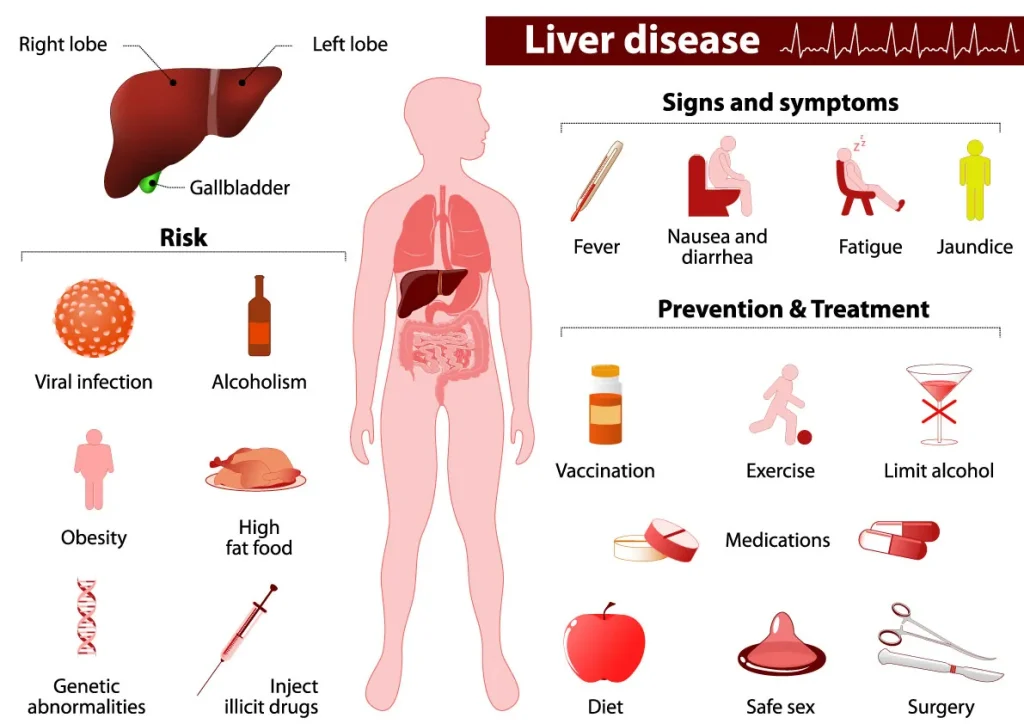
Learn about symptoms that may indicate liver problems. Home Liver disease often develops silently, showing minimal or no symptoms in its early stages. However, identifying the warning signs early can help prevent serious complications and ensure timely treatment. Understanding these early signs is essential for maintaining good liver health. Why Early Detection Matters The liver performs vital functions such as detoxifying harmful substances, aiding digestion, and storing nutrients. When the liver starts to get damaged, these functions are affected. Detecting liver disease early can: Prevent progression to cirrhosis Improve treatment outcomes Reduce the risk of liver failure Common Early Signs of Liver Disease 1. Fatigue and Weakness Feeling unusually tired or weak is one of the earliest signs. It occurs because the liver is not efficiently removing toxins from the body. 2. Loss of Appetite A sudden decrease in appetite or feeling full quickly can indicate liver issues. 3. Nausea and Vomiting Frequent nausea or a tendency to vomit may be linked to poor liver function. 4. Abdominal Discomfort Mild pain or discomfort in the upper right side of the abdomen can be an early warning sign. 5. Unexplained Weight Loss Losing weight without trying may be associated with liver problems. 6. Dark Urine Urine that appears darker than usual can indicate improper processing of bilirubin by the liver. 7. Pale Stool Light-colored stools may suggest bile flow issues due to liver dysfunction. 8. Mild Jaundice A slight yellowing of the eyes or skin is a key sign that should not be ignored. Risk Factors to Watch You may be at higher risk if you: Consume alcohol regularly Are overweight or obese Have diabetes Have viral hepatitis (B or C) Follow an unhealthy diet When to See a Doctor Consult a doctor if you notice: Persistent fatigue Yellowing of skin or eyes Ongoing digestive issues Swelling or pain in the abdomen Early medical evaluation can prevent serious damage. Prevention Tips Eat a healthy, balanced diet Exercise regularly Avoid alcohol or limit intake Maintain a healthy weight Get regular health checkups Conclusion Early signs of liver disease are often subtle but should never be ignored. Recognizing symptoms like fatigue, appetite loss, and mild jaundice can help in early diagnosis and effective treatment. Taking proactive steps toward a healthy lifestyle is the best way to protect your liver.